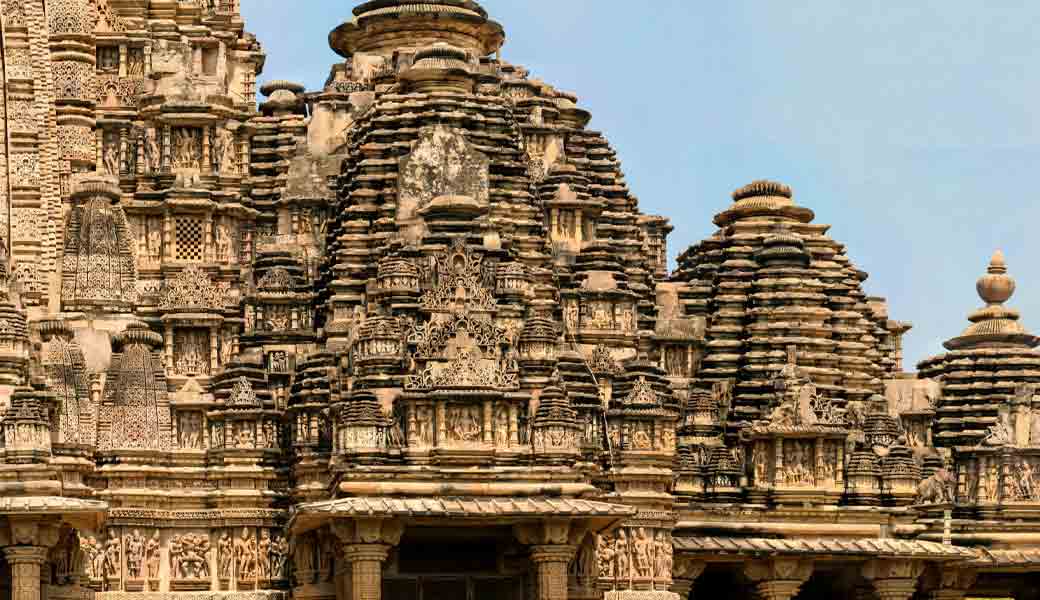
Gigapixel virtual tour of Khajuraho Temples
Gigapixel images offer extremely high-resolution views that allow for detailed examination of intricate artwork and architecture. For historical and architectural sites like Khajuraho, known for its magnificent temples and intricate stone carvings, gigapixel images can provide a virtual experience that showcases their intricate details and artistic craftsmanship.
The Temples of Khajuraho, located in the central Indian state of Madhya Pradesh, are a renowned UNESCO World Heritage Site celebrated for their exquisite architecture and intricate erotic sculptures. Built between 950 and 1050 AD by the Chandela dynasty, these temples represent one of the finest examples of Indian art and architecture. The Khajuraho Group of Monuments includes 25 temples, out of an original 85, spread over an area of 20 square kilometres. These temples are divided into three geographical groups: Western, Eastern, and Southern.
Historical Significance
The Chandela rulers constructed these temples over 200 years ago, demonstrating their devotion to both Hinduism and Jainism. The temples are known not only for their architectural brilliance but also for the thematic unity and aesthetic quality of their sculptures, which reflect the lifestyle, customs, and beliefs of the Chandela period.
Architectural Features
The temples are famous for their nagara-style architecture, characterized by a central spire (shikhara) and a series of smaller spires (urushringas) that form a soaring pyramid-like structure. The temples are built using sandstone, with individual stones held together by mortise and tenon joints and a system of gravity and pressure.
Notable Temples
Kandariya Mahadeva Temple
The largest and most ornate temple in Khajuraho, the Kandariya Mahadeva Temple is dedicated to Lord Shiva. It stands about 31 meters high and features over 800 sculptures, including erotic figures, deities, and mythical creatures. The intricate carvings on the temple walls depict various aspects of life, including everyday activities, celestial beings, and amorous couples.
Lakshmana Temple
Dedicated to Lord Vishnu, the Lakshmana Temple is one of the oldest and best-preserved temples in Khajuraho. The temple’s entrance is adorned with an elaborate doorway featuring sculptures of the trinity of Brahma, Vishnu, and Shiva, as well as various other deities. The sanctum sanctorum houses a three-headed idol of Vishnu’s incarnations: Narasimha, Varaha, and Krishna.
Vishvanatha Temple
This temple is dedicated to Lord Shiva and is known for its exquisite carvings and architectural precision. The temple complex includes a large Nandi bull statue and several subsidiary shrines. The outer walls of the temple are adorned with carvings of apsaras (celestial maidens), musicians, and dancers.
Erotic Sculptures
One of the most distinctive features of the Khajuraho temples is the presence of erotic sculptures, which constitute about 10% of the temple’s total carvings. These sculptures are often misunderstood; they symbolize the tantric traditions and the belief in the coexistence of the physical and spiritual aspects of life. The erotic art is confined to the exterior of the temples, while the interior sanctum is free from such imagery, highlighting a transition from the physical to the spiritual realm.
Cultural Impact
The temples of Khajuraho are not only a testament to the architectural and artistic genius of ancient India but also serve as a significant cultural and historical archive. They attract scholars, historians, and tourists from around the world, providing insight into the social, religious, and cultural fabric of the Chandela dynasty.
Preservation Efforts
Recognized as a UNESCO World Heritage Site in 1986, the temples of Khajuraho have been the focus of numerous preservation and restoration efforts. The Archaeological Survey of India (ASI) is responsible for maintaining and conserving the site, ensuring that the beauty and heritage of these ancient structures are preserved for future generations.
Conclusion
The Khajuraho temples stand as a magnificent symbol of India’s rich cultural heritage and architectural prowess. Their unique blend of art, spirituality, and history continues to captivate and inspire visitors from across the globe, making them an enduring legacy of the Chandela dynasty and a treasured jewel in India’s historical crown.