Experience History in Unprecedented Detail: The India Gate Gigapixel Virtual Tour.
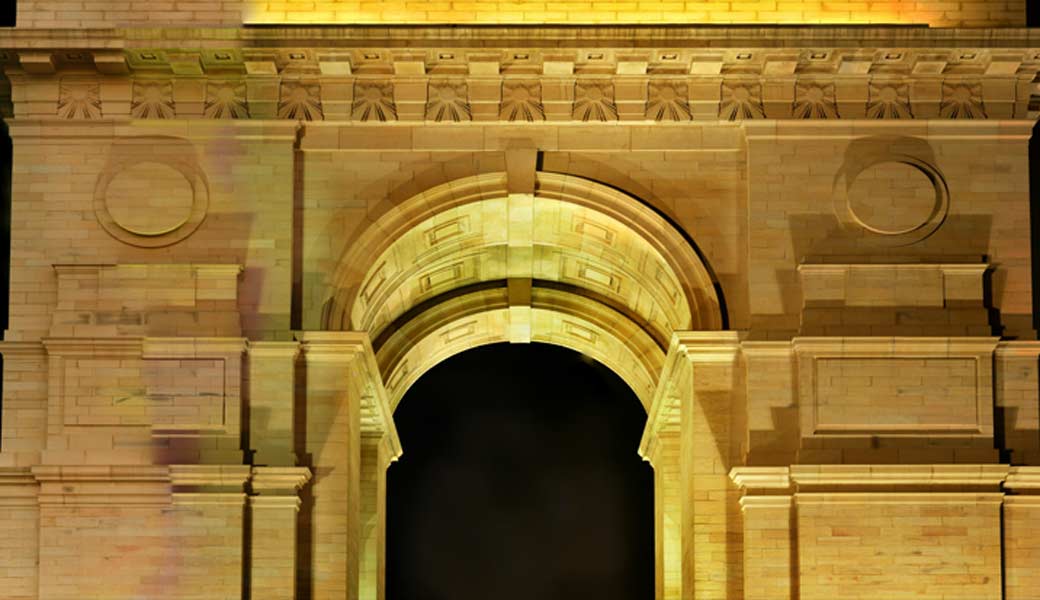
The India Gate in New Delhi is more than just an architectural marvel; it is a poignant memorial to the brave soldiers of the erstwhile British Indian Army who made the ultimate sacrifice during World War I and the Third Anglo-Afghan War. This monumental arch, designed by Sir Edwin Lutyens, is a tribute to approximately 70,000 soldiers, with the names of over 13,500 servicemen inscribed directly on its walls. For decades, these names, etched high and small into the red sandstone, have remained largely illegible to the casual visitor.
Now, a revolutionary digital experience is changing that: the India Gate Gigapixel Virtual Tour. This isn’t just a high-resolution photo; it’s a massive, multi-billion-pixel image that allows for an unprecedented exploration of the monument, enabling you to zoom in and read those previously inaccessible names with clarity.
Zoom In and Read Every Name: A Window into History
In person, the size and the positioning of the inscriptions mean that the individual names of the fallen are almost impossible to discern with the naked eye. The physical act of memorialising is powerful, but the personal details are lost to distance. This is where the India Gate Gigapixel Virtual Tour becomes an invaluable historical tool.
The gigapixel technology stitches together hundreds or even thousands of individual photographs into a single, massive image file. The result is a photograph of such immense detail that you can digitally ‘walk up’ to the monument and zoom in thousands of times. You can effortlessly navigate the textured surface and read the names of the soldiers engraved in the stone—a feature not possible even when standing directly at the base of the gate.
This high-res virtual tour brings a new layer of personal connection to a national monument. For researchers, historians, and descendants of the soldiers, it provides a unique and accessible way to engage with the memorial on a deeply personal level. The ability to clearly read the individual names transforms an abstract symbol of sacrifice into a collection of personal stories.
A Richer Understanding of the All India War Memorial
Originally known as the All India War Memorial, India Gate stands 42 metres high, resembling the Arc de Triomphe in Paris. The monument bears the dates MCMXIV (1914) and MCMXIX (1919), marking the years of the First World War. Beneath the arch, the Amar Jawan Jyoti (the Eternal Flame of the Immortal Soldier) was added after India’s independence to honour soldiers who died in subsequent wars.
The India Gate Gigapixel Virtual Tour allows you to appreciate not only the names but also the intricate architectural details of the structure, from the inscriptions on the cornice to the red Bharatpur stone base. It’s a complete digital experience of one of India’s most significant landmarks.
Whether you are an armchair traveller, a student of history, or a relative searching for an ancestor’s name, this gigapixel experience offers a compelling and emotionally resonant journey. It bridges the gap between the monumental scale of the memorial and the intimate sacrifice of the individual soldier. Take the virtual tour today and pay your respects by reading the names of the heroes whose legacy is etched forever into the walls of India Gate.