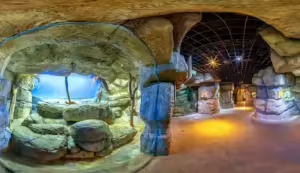
360 Virtual Tour of The Kuwait National Museum
The Kuwait National Museum: A Glimpse into the Rich Heritage of Kuwait
The Kuwait National Museum stands as a beacon of cultural preservation and historical significance in Kuwait. Located in the heart of Kuwait City, this museum serves as a testament to the country’s dedication to preserving its rich history and heritage. Established in 1983, the museum has since become a pivotal institution in the cultural landscape of Kuwait.
Historical Background
The Kuwait National Museum was conceived as part of a broader effort to promote national identity and cultural awareness. The idea for the museum was championed by Sheikh Jaber Al-Ahmad Al-Sabah, the then Emir of Kuwait, who recognized the importance of preserving and showcasing the country’s history and heritage. The museum was designed by Michel Ecochard, a renowned French architect, who envisioned a complex that harmoniously blended modern architecture with traditional Kuwaiti elements.
Architectural Design
The museum complex consists of several buildings, each serving a distinct purpose. The main building houses the permanent exhibition galleries, while other structures include the planetarium, the Dar Al-Athar Al-Islamiyyah (House of Islamic Antiquities), and administrative offices. The architectural design of the museum reflects a blend of contemporary and traditional styles, with features such as wind towers and courtyards reminiscent of old Kuwaiti architecture.
Exhibitions and Collections
The Kuwait National Museum boasts an extensive collection of artifacts that span various periods of Kuwait’s history. The permanent exhibitions are organized into several thematic sections, each offering visitors a comprehensive understanding of the country’s cultural and historical evolution.
Prehistoric and Ancient History
One of the most captivating sections of the museum is dedicated to the prehistoric and ancient history of Kuwait. This section showcases artefacts from the Bronze Age, including pottery, tools, and ornaments discovered at archaeological sites such as Failaka Island and Bahra. The museum also features relics from the Hellenistic period, highlighting Kuwait’s historical connections with ancient civilizations.
Islamic Art and Culture
The museum’s collection of Islamic art is particularly noteworthy. It includes exquisite examples of calligraphy, ceramics, textiles, and metalwork from various Islamic dynasties. The Dar Al-Athar Al-Islamiyyah, housed within the museum complex, is renowned for its collection of rare Islamic manuscripts, artworks, and artefacts. This section provides a deep insight into the artistic and cultural achievements of the Islamic world and Kuwait’s role within it.
Maritime Heritage
Kuwait’s maritime heritage is another focal point of the museum. The maritime section features traditional dhow boats, navigational instruments, and maritime artifacts that underscore the significance of seafaring and trade in Kuwait’s history. The exhibits highlight the traditional craftsmanship involved in boat-building and the vital role of the sea in shaping the country’s economy and culture.
Bedouin Culture
The museum also dedicates a significant portion of its space to the Bedouin culture, which has played a crucial role in shaping Kuwait’s social and cultural fabric. Visitors can explore traditional Bedouin tents, clothing, jewellery, and everyday objects that offer a glimpse into the nomadic lifestyle of the Bedouin people. This section underscores the resilience and adaptability of the Bedouin communities in the harsh desert environment.
Educational and Cultural Programs
Beyond its exhibitions, the Kuwait National Museum plays a pivotal role in educational and cultural outreach. The museum organizes various programs, workshops, and lectures aimed at fostering a deeper understanding of Kuwait’s heritage among the public. Educational initiatives target schools and universities, offering students opportunities to engage with history and culture in an interactive and immersive manner.
The museum also hosts temporary exhibitions that highlight different aspects of Kuwaiti and regional heritage. These exhibitions often feature collaborations with international museums and cultural institutions, promoting cultural exchange and dialogue.
Challenges and Future Prospects
The Kuwait National Museum has faced several challenges over the years, including the devastation caused by the Iraqi invasion in 1990. During the occupation, many of the museum’s priceless artifacts were looted or damaged. However, concerted efforts were made in the post-war period to recover and restore the stolen artefacts. The museum reopened to the public in the mid-1990s, symbolizing Kuwait’s resilience and determination to preserve its cultural heritage.
Looking ahead, the museum continues to evolve, embracing modern technology and innovative approaches to enhance the visitor experience. Plans for expansion and modernization are underway, with the aim of further enriching the museum’s offerings and making it a premier cultural destination in the region.
Conclusion
The Kuwait National Museum stands as a testament to Kuwait’s rich and diverse heritage. Through its extensive collections, educational programs, and cultural initiatives, the museum plays a vital role in preserving and promoting the history and culture of Kuwait. As it continues to grow and adapt to the changing times, the museum remains a symbol of national pride and cultural identity, inviting visitors from around the world to explore and appreciate the fascinating story of Kuwait.