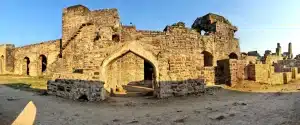
Ajanta Caves 360 Virtual Tour
Click to Watch the 360 Degree Virtual Tour of Ajanta Caves, Aurangabad.
The Ajanta Caves are a remarkable group of 30 rock-cut Buddhist cave monuments located in the Aurangabad district of Maharashtra, India. Dating from the second century BCE to about 480 CE, these caves are recognized as a UNESCO World Heritage Site and are celebrated for their exquisite artistry and historical significance. They represent some of the finest surviving examples of ancient Indian art, particularly noted for their expressive paintings that convey deep emotions through gesture, pose, and form.
Overview of the Virtual Tour Experience
A 360-degree virtual tour of the Ajanta Caves allows viewers to explore these ancient monuments from the comfort of their own homes. This immersive experience typically includes panoramic views of various caves, detailed close-ups of intricate carvings and paintings, and informative commentary about the history and significance of each cave.
Cave Exploration: The virtual tour often features key caves such as Cave 1, known for its elaborate sculptures and frescoes depicting Jataka tales; Cave 2, which showcases a large Buddha figure; and Cave 16, famous for its grand chaitya (prayer hall) with a stupa at its center. Each cave has unique artistic elements that reflect the religious narratives and cultural practices of the time.
Artistic Highlights: Viewers can closely examine the detailed murals that adorn the walls of these caves. The paintings illustrate various aspects of Buddhist life and philosophy, showcasing techniques that have influenced art throughout history. The use of natural pigments and sophisticated techniques in these artworks is particularly noteworthy.
Historical Context: The virtual tour provides insights into how these caves were constructed under the patronage of Hindu kings during periods when Buddhism was flourishing in India. This historical narrative enriches the viewer’s understanding of the socio-political dynamics that influenced art and architecture in ancient India.
Interactive Features: Many virtual tours include interactive elements such as clickable hotspots that provide additional information about specific artworks or architectural features. This interactivity enhances engagement by allowing users to delve deeper into topics of interest.
Accessibility: A 360-degree virtual tour makes this UNESCO World Heritage Site accessible to a global audience who may not have the opportunity to visit in person due to geographical or financial constraints. It serves as an educational tool for students, researchers, and anyone interested in Indian history and art.
The 360-degree virtual tour of the Ajanta Caves offers an engaging way to experience one of India’s most important cultural heritage sites without physical travel. It combines visual exploration with educational content to provide a comprehensive understanding of these remarkable rock-cut monuments.