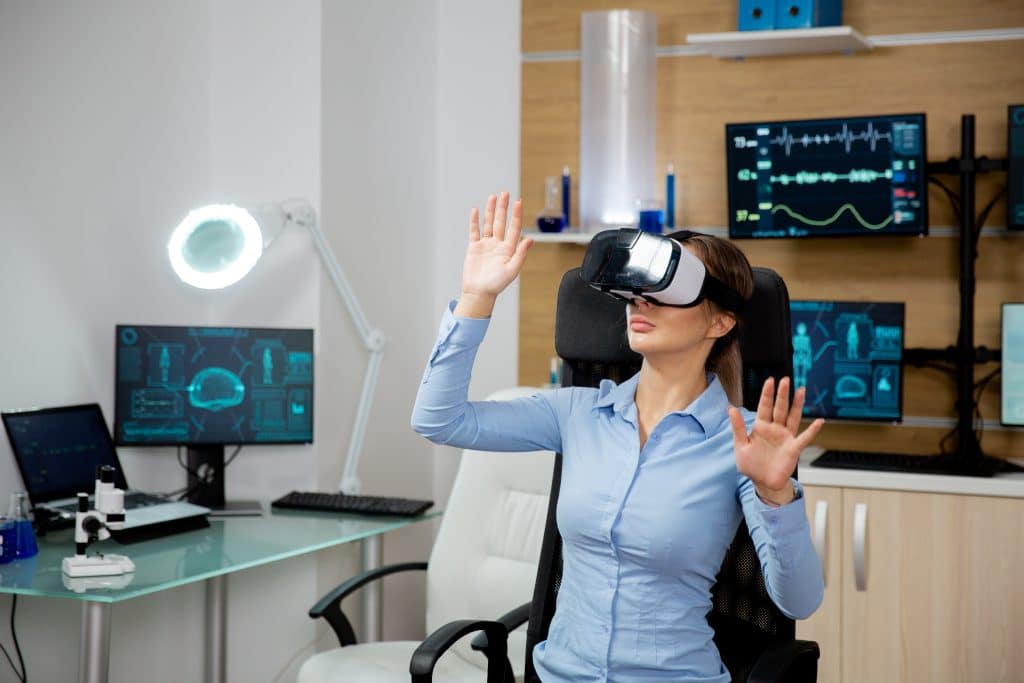
360 Virtual Tour for Medical Tourism
360 virtual tours are transforming the medical tourism industry by enhancing transparency, accessibility, patient trust, and global visibility for hospitals and wellness centres. They serve as powerful tools for showcasing healthcare infrastructure, simplifying the decision process for international patients, and improving the overall medical tourism experience.
Understanding 360 Virtual Tours in Healthcare
360 virtual tours use high-resolution panoramic photography to create immersive, navigable views of hospitals or clinics. International patients can explore departments, operating theatres, and recovery suites virtually, reducing uncertainty about the facility’s quality and cleanliness.
Role in Medical Tourism
Medical tourism involves patients travelling abroad for affordable or specialised medical treatments. Virtual tours play a vital role in bridging trust and communication gaps between providers and prospective patients:
Building international trust: Virtual tours let potential patients examine medical infrastructure, helping them verify a facility’s hygiene, technology, and standards before travelling.
Transparency and credibility: By visually showcasing advanced equipment, luxurious patient rooms, and rehabilitation spaces, hospitals project authenticity, boosting patient confidence.
Global reach: Publishing these tours on hospital websites and platforms like Google Maps increases visibility to medical tourists researching online.
Importance and Benefits for Hospitals
Enhanced Patient Experience: Patients can virtually explore hospital layouts, understand the admission process, and locate key departments, reducing anxiety before their visit.
Marketing and Branding: A 360° hospital tour functions as a digital marketing asset that differentiates premium healthcare destinations in competitive markets.
Telehealth Integration: When paired with teleconsultations, these tours allow patients to preview treatment environments before committing to travel.
Cultural and Accessibility Advantage: Enables patients from different countries to explore language-specific or culturally aligned facilities virtually, promoting inclusivity.
Impact on the Medical Tourism Ecosystem
Informed Decision-Making: Patients abroad can evaluate multiple hospitals through immersive online tours, avoiding physical visits to assess quality.
Boosting Economic Growth: Transparent visual representation attracts more international patients, strengthening the region’s healthcare economy and medical tourism ecosystem.
Education and Staff Training: Medical students and staff benefit from using 360 tours for simulated hospital walk-throughs and safety training before real-world exposure.
Challenges and Future Outlook
The primary challenges include maintaining patient privacy, managing high production costs, and routinely updating digital content to reflect infrastructure changes. However, with ongoing advances in virtual reality and AI-driven patient interaction, future 360 tours will feature integrated multilingual guides, live video consultations, and personalised navigation experiences tailored for international medical travellers.
360 virtual tours are not merely marketing tools but critical enablers of transparency, trust, and accessibility in medical tourism. As global healthcare competitiveness intensifies, these immersive tools bridge the distance between international patients and world-class hospitals—turning curiosity into confidence before they ever book a flight.
What are the cost advantages of virtual tours in medical tourism?
Virtual tours in medical tourism offer significant cost advantages for both hospitals and patients, creating a win-win scenario that reduces expenses while enhancing the decision-making process and operational efficiency.
Cost Advantages for Medical Tourists
Elimination of Reconnaissance Trips: Virtual tours save patients from costly preliminary visits to evaluate hospitals abroad. A single reconnaissance trip can cost $2,000-5,000 in flights, accommodation, and local transportation, which virtual tours eliminate.
Reduced Decision-Making Time: Patients can compare multiple facilities virtually without travelling, shortening the selection process from weeks to days and reducing accommodation costs during extended evaluation periods.
Pre-Treatment Planning: Virtual familiarity allows patients to arrive more prepared, reducing the need for extended stays due to orientation delays or facility confusion.
Avoiding Wrong Choices: By providing transparent facility previews, virtual tours help patients avoid costly mistakes of choosing inappropriate or substandard facilities that would require transfer to alternative providers.
Cost Advantages for Healthcare Providers
Marketing ROI: Virtual tours generate higher click-through rates and conversion rates for medical travel inquiries compared to traditional marketing, improving cost-effectiveness of digital marketing campaigns.
Reduced Physical Tours and Staff Time: Hospitals save on staff costs associated with conducting individual facility tours for prospective international patients, as virtual tours can serve unlimited viewers simultaneously.
Lower Customer Acquisition Costs: Interactive 360° tours attract more qualified leads, reducing the cost per acquisition of medical tourists compared to traditional advertising methods.
Operational Efficiency: Virtual tours reduce patient arrival confusion and navigation issues, minimizing staff time spent on directions and facility orientation.
Long-Term Economic Benefits
Sustainable Marketing Asset: Unlike traditional advertising that requires continuous spending, a well-produced virtual tour serves as a perpetual marketing tool with only periodic update costs.
Training and Education Savings: Virtual tours can be repurposed for staff training and medical education programs, providing additional value beyond patient marketing.
Competitive Positioning: Hospitals with virtual tours can command premium pricing by demonstrating transparency and advanced digital capabilities, attracting higher-value medical tourists.
Reduced Insurance and Liability Costs: Better-informed patients who are familiar with facilities through virtual tours may experience fewer accidents or misunderstandings, potentially reducing insurance claims.
Implementation Cost Considerations
While initial virtual tour creation costs range from $3,000-15,000 depending on facility size and complexity , the return on investment becomes evident through:
Patient Volume Increase: Enhanced online presence attracts 20-40% more international inquiries
Conversion Rate Improvement: Virtual tours increase booking conversion rates by 15-25% compared to static imagery
Staff Productivity: Reduced time spent on repetitive facility explanations and tours
The cost-effectiveness of virtual tours in medical tourism stems from their ability to replace expensive physical processes with scalable digital solutions, benefiting both patients seeking affordable healthcare abroad and providers looking to optimise their marketing and operational expenses.

Related posts